
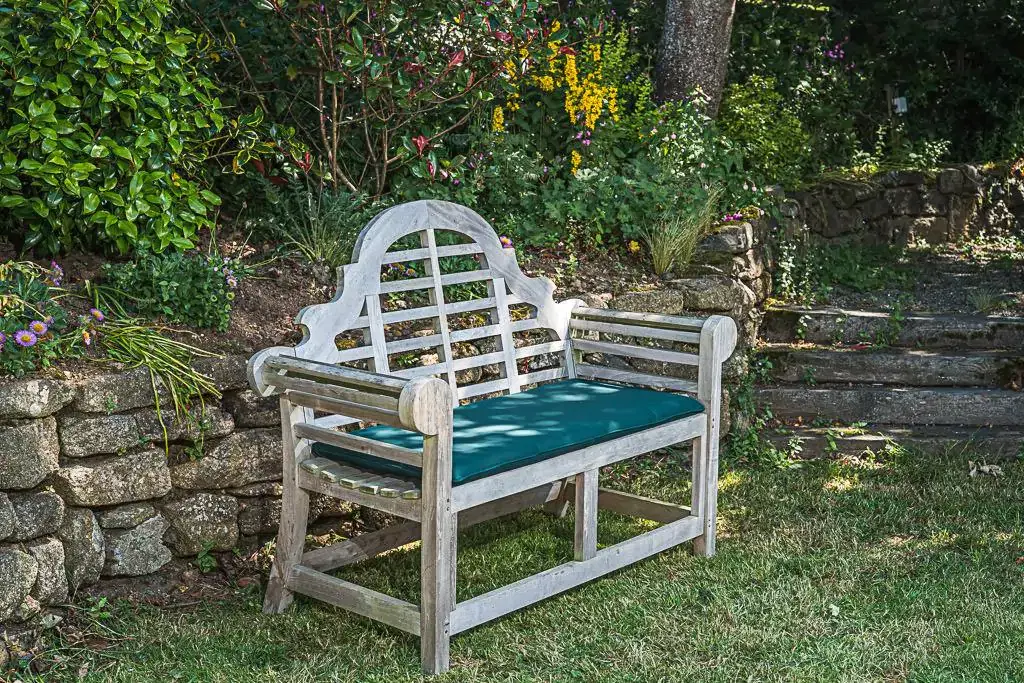
Teak garden furniture is the perfect choice for any outdoor location and gives many years of enjoyment. A question we get asked quite frequently is can I treat my furniture with oil and what oil is best to use. The two most common ones we come across are good old teak oil and Danish oil, usually as customers tend to have some lying around on the garage shelf!
The bottom line is that both of these oils are finishes for wood, but they have differences in how they are made and what they do to the wood they are applied to. The main difference in these two oils is that Danish oil contains a varnish, as well as a mix of oils and solvents. This is the main difference and means it is not the best choice to apply to your outdoor teak furniture. Hopefully, in this latest blog from us here at Ottena, we will explain why.
It goes without saying that Danish oil is far from a poor quality oil for wood, it is just best used in different surroundings. It is an ideal oil for indoor woods such as walnut or oak as it will give a slight protective film to the surface of the wood compared to a traditional teak oil. The problem with using Danish oil outdoors is that due to the varnish in the oil leaving a slight protective film over the surface of the timber, if used outdoors and this layer becomes damaged it can allow moisture to get under the surface and held against the surface of the wood. This can in turn cause mould and mildew to appear which will be detrimental to the longevity of your teak garden furniture. Teak oil uses a blend of natural oils (usually linseed and tung oil) and solvents to help penetrate into the wood to enhance the grain and enhance the golden brown colour that we all know and love from solid teak.
Each oil behaves slightly differently when applied to timber. Teak oil penetrates deep into the wood, leaves minimal surface film and has good water resistant properties. Danish oil does not penetrate as deeply into the wood and can leave a film on the surface of the wood that can allow moisture to be trapped underneath or start to peel or crack. This is not good for the wood it is trying to protect. Danish oil still has good water resistance properties but is better suited for use on indoor wood furniture where it is not at the mercy of the elements quite so much.
Application for both of these oils is very similar. Ensuring the surface of the wood is clean, dry and free from any dirt or contaminants is key to getting a good application. Using a brush or a lint free cloth such as a microfibre, the oils can be applied to the wood following the grain to ensure a smooth and even finish. Any excess can be simply wiped away with a clean dry cloth. A simple and effective way to add some protection to your chosen piece of garden furniture.
From an outdoor teak furniture perspective, teak oil is the best way to go. Although Danish oil is good, it is not the best choice for teak garden furniture. Teak oil helps to maintain that warm colour that we all love from new teak and does not leave a slight barrier behind that can cause problems further down the road. If teak oil is not something you want to use then a good quality teak sealer is also a great choice for protecting your outdoor teak garden furniture. These sealers are a product that are specifically designed to resist rainfall, harmful UV rays and humidity giving your teak a great level of added protection. Teak oil is still a great choice but you will find it will need applying more frequently than a sealer for example.
We hope this has helped in which of these oils is the better choice for your outdoor teak furniture, but if you have any questions about our teak garden furniture then please do not hesitate to drop us an email to [email protected] and we will be happy to help.
